November brings shorter days, colder weather, and the start of holiday season, but it's also National Child Safety and Protection Month. As we transition into winter, it's the perfect time to strengthen your family's emergency preparedness. Whether you're dealing with seasonal hazards, planning holiday travel, or simply wanting to feel more confident about your family's safety, these five critical strategies will help you build a foundation of preparedness that lasts all year long.
1. Create Your Family Emergency Action Plan (And Actually Practice It)
Here's the reality: most families think they have an emergency plan, but when push comes to shove, they're scrambling. A real emergency action plan isn't just knowing where the fire extinguisher is, it's a comprehensive strategy that everyone in your household can execute under pressure.
Start with the basics. Gather your family and identify the most likely emergencies in your area. In November, think about power outages from winter storms, house fires from increased heating use, or medical emergencies during holiday gatherings. For each scenario, map out specific actions:
Communication is everything. Establish a primary meeting point (like your mailbox) and a secondary location away from your neighborhood (maybe a local school or community center). Make sure every family member, including kids, knows both addresses by heart. Choose an out-of-state contact person who can serve as your family's communication hub if local phone lines are jammed.
Assign roles based on ability. Your teenager might be responsible for helping younger siblings, while your spouse handles grabbing the emergency kit. Even young children can have jobs like remembering to bring their stuffed animal or knowing which neighbor to go to if parents aren't home.
The game-changer? Regular practice. Schedule monthly fire drills, but also practice your communication plan. Have everyone in different rooms and see how quickly you can execute your plan. Time it. Make it a game. The muscle memory you build now could save precious seconds, or lives, later.

2. Tackle November's Hidden Seasonal Hazards
November might not seem as dangerous as the height of winter, but it's actually when many seasonal hazards start creeping in. The key is getting ahead of them before they become real problems.
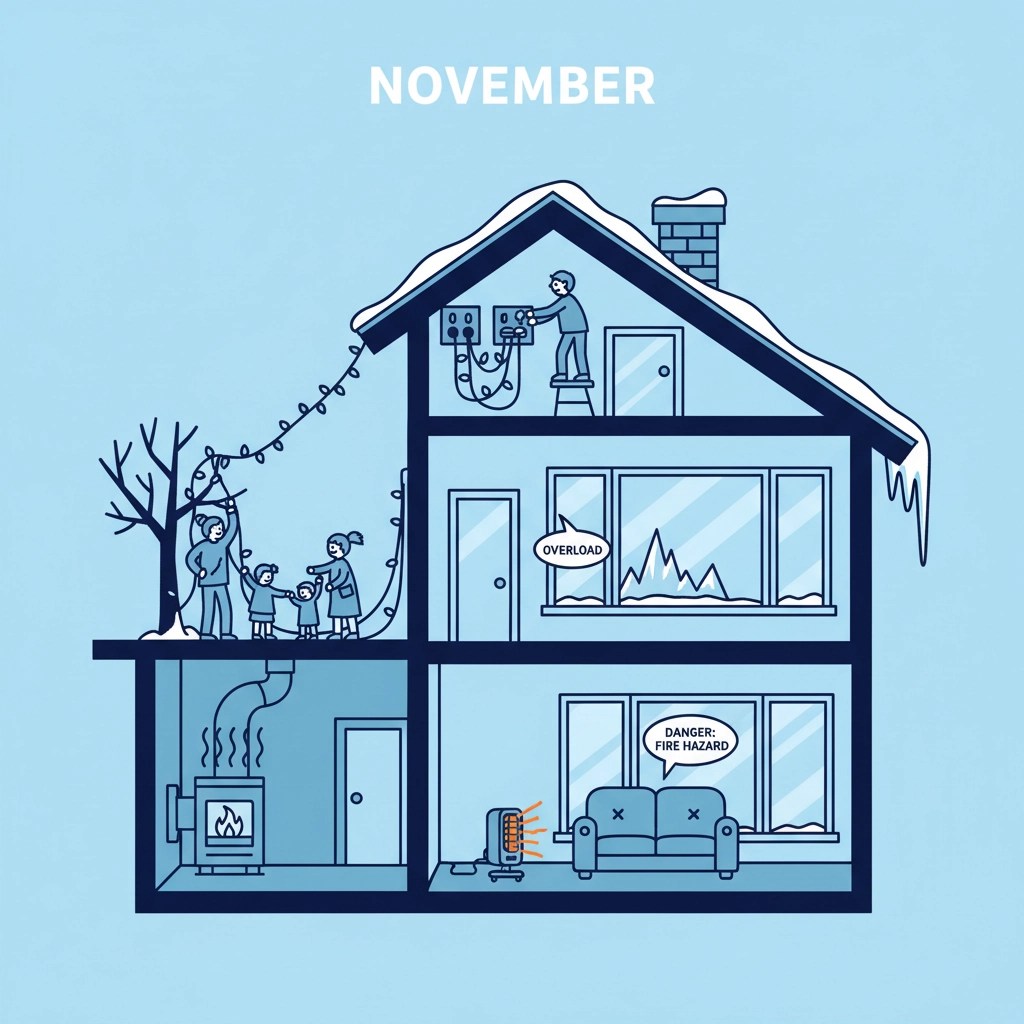
Heating system safety becomes critical as temperatures drop. When's the last time you had your furnace inspected? November is prime time for carbon monoxide poisoning as people fire up heating systems that have sat dormant all summer. Schedule that HVAC check now, and test your carbon monoxide detectors. If you're using space heaters, maintain at least three feet of clearance around them and never leave them running unattended.
Holiday decorating dangers start ramping up. Before you string those lights, inspect every strand for frayed wires or broken bulbs. Use timers instead of leaving decorations plugged in overnight. And here's something most people miss: make sure your escape routes stay clear. That beautiful garland around the stairway banister could become a hazard if you need to evacuate quickly.
Weather transitions bring their own challenges. Ice storms can hit before you're mentally ready for winter weather. Clean your gutters now to prevent ice dams. Check your car's emergency kit, jumper cables, blankets, water, and non-perishable snacks become essential as daylight hours shrink.
3. Conduct Your November Home Safety Audit
Think of this as your home's annual physical checkup. November's cooler weather makes it comfortable to walk around your property and spot potential problems before they become emergencies.
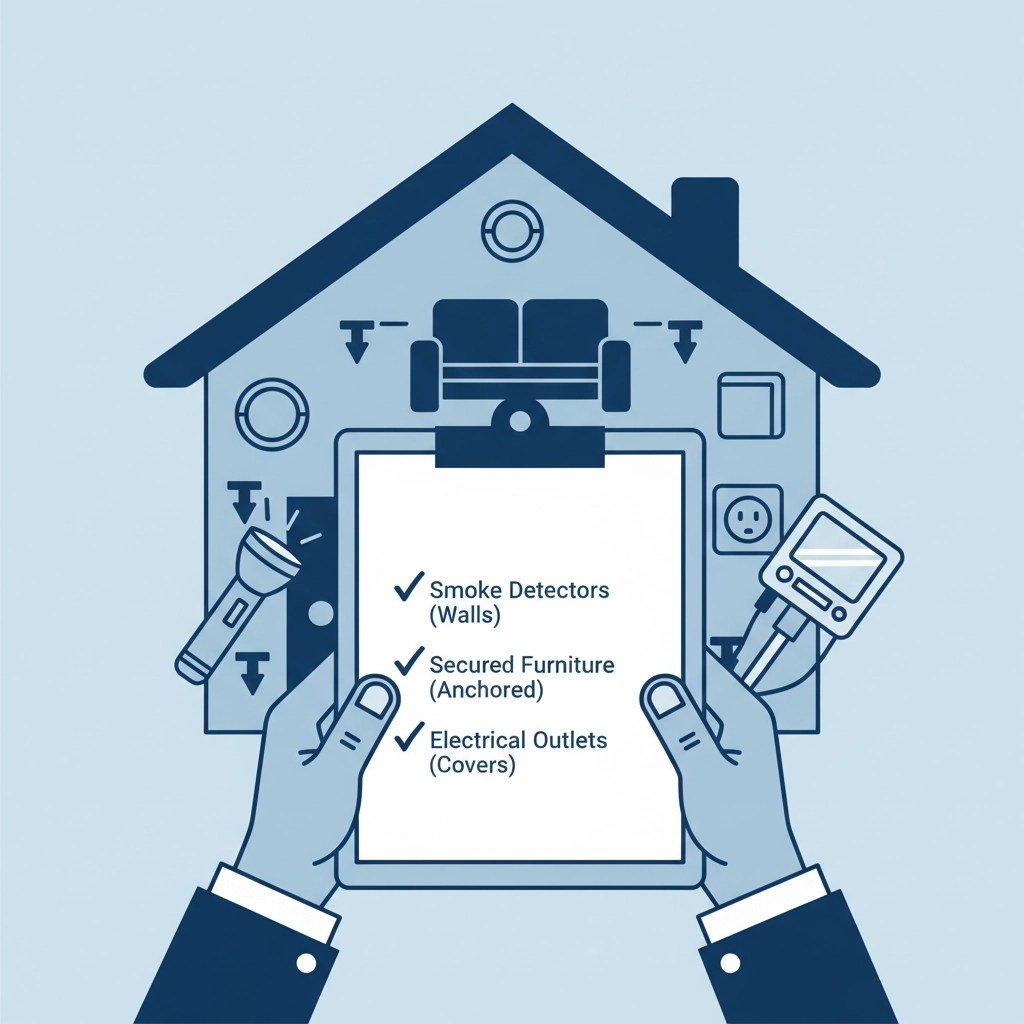
Start with your smoke and carbon monoxide detectors. When we "fall back" for daylight saving time, that's your cue to change batteries in all detectors, even if they're not chirping yet. Test each one by pressing the button, and yes, it's going to be loud, but that's the point. Install detectors on every level of your home and within 10 feet of bedrooms.
Inspect your electrical systems. Look for overloaded outlets (especially in kitchens where holiday cooking happens), frayed cords, and any flickering lights. Ground Fault Circuit Interrupters (GFCIs) in bathrooms and kitchens should be tested monthly: press the "test" button, then "reset."
Secure heavy furniture and electronics. This isn't just earthquake prep: curious toddlers and pets can pull down unstable furniture any time. Anchor bookshelves, dressers, and televisions to walls. Check that cabinet locks are working if you have young children.
Review your home's escape routes. Walk through each room and identify two ways out. Make sure windows open easily and that everyone knows how to operate them. Keep keys near deadbolts that require them, and ensure your escape routes are well-lit.
4. Build Emergency Kits That Actually Work When You Need Them
Generic emergency kit checklists are fine, but smart families customize their supplies based on their specific needs and the realities of their lives. November is perfect for building these kits because you can test them during shorter power outages before major winter storms hit.
Create location-specific kits. You need more than one emergency kit. Build a comprehensive kit for sheltering at home, a portable kit for evacuation, and smaller kits for your cars and workplace. Your home kit should sustain your family for at least 72 hours without outside help.
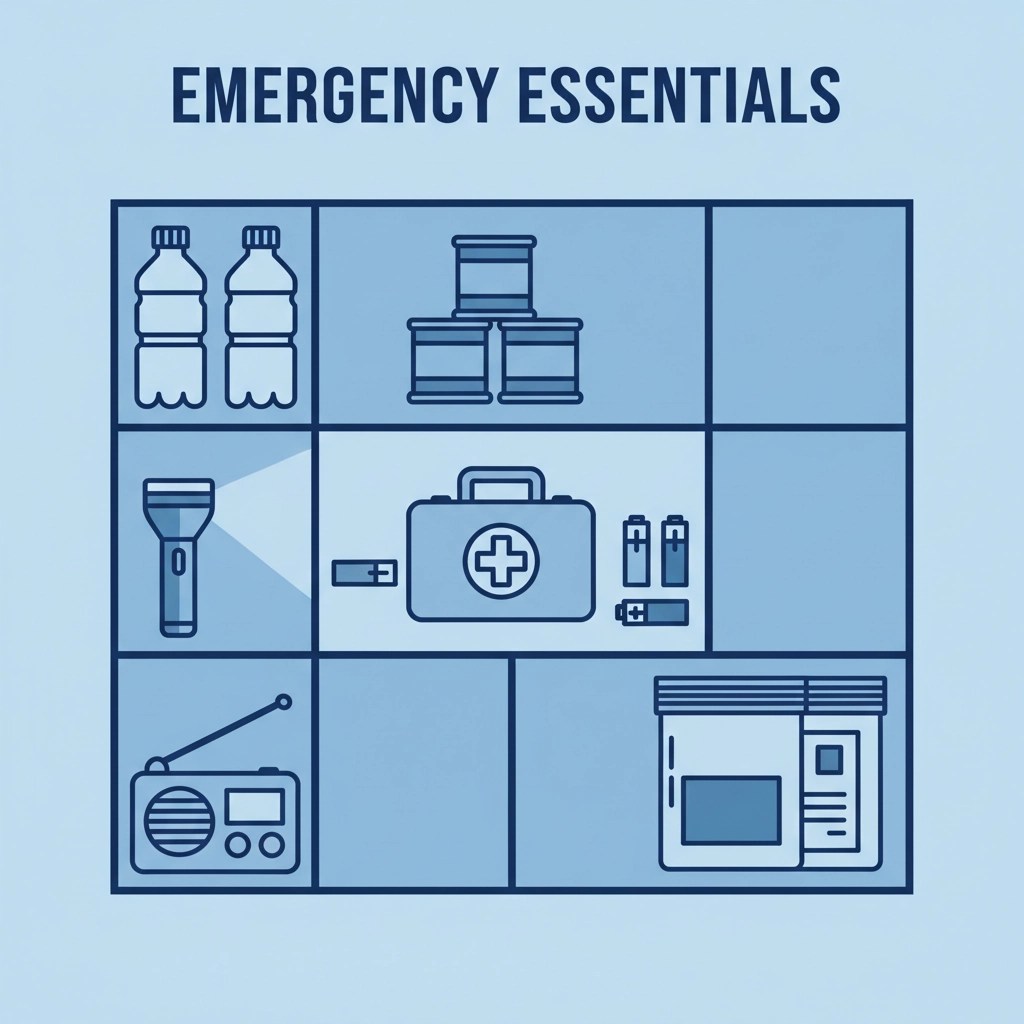
Focus on the basics first: one gallon of water per person per day, non-perishable food (choose things your family actually eats), battery-powered or hand-crank radio, flashlights, extra batteries, first aid supplies, medications, copies of important documents in a waterproof container, and cash in small bills.
Add family-specific items. Infant formula and diapers, pet food and supplies, extra eyeglasses or contact lenses, any prescription medications that can't be missed, and comfort items for children like small toys or coloring books.
Don't forget the practical stuff: manual can opener, plastic sheeting and duct tape for shelter, moist towelettes and garbage bags for sanitation, matches in a waterproof container, and emergency contact information.
The secret to emergency kits that actually work? Regular rotation and testing. Set a calendar reminder to check expiration dates every six months. During November, actually use some items from your kit during a practice drill: eat the emergency food, use the hand-crank radio, test the flashlights. This tells you what works and what doesn't, while keeping your supplies fresh.
5. Invest in Skills That Build Real Emergency Confidence
Here's what sets prepared families apart from everyone else: they don't just have plans and supplies: they have skills. November is an ideal time to build these capabilities because the holiday season brings more gatherings where medical emergencies are statistically more likely.
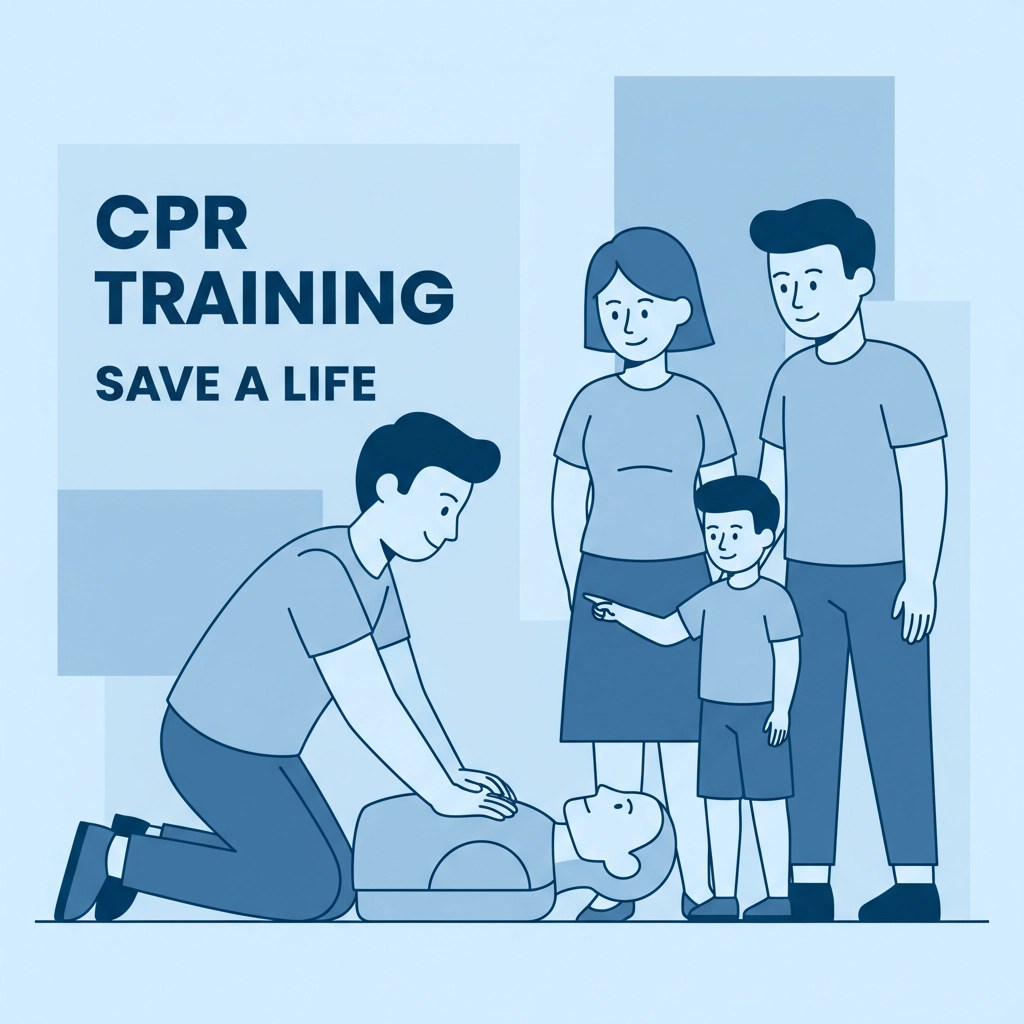
CPR and first aid training should be non-negotiable for any family serious about safety. When someone stops breathing or goes into cardiac arrest, you have minutes: not the 8-15 minutes it takes for paramedics to arrive. Quality CPR training gives you the confidence to act decisively in those critical moments. Look for hands-on training that includes practice with real manikins and scenarios that feel realistic.
Basic emergency response skills go beyond medical training. Learn how to shut off your home's water, gas, and electricity in an emergency. Practice using a fire extinguisher: most people have never actually operated one before they need it. Understand when to evacuate versus when to shelter in place.
Technology skills matter too. Program emergency numbers into everyone's phones, including local emergency management and poison control. Teach family members how to send emergency texts (which often work when voice calls don't). Show kids how to use your landline if you still have one.
The confidence that comes from real training changes everything. Instead of freezing in panic, you become someone who can think clearly and act effectively. That confidence spreads to your family members, creating a household that's genuinely prepared rather than just equipped.
Making It All Work Together
Emergency preparedness isn't about becoming a survivalist: it's about building practical confidence for the situations you're most likely to face. November's timing is perfect because you can implement these strategies during a relatively calm period, then test and refine them as winter weather arrives.
Start small if this feels overwhelming. Pick one area to focus on this week, then add another next week. The goal is steady progress, not perfection. A partially prepared family is infinitely better off than one that's been meaning to get started someday.
Remember, emergency preparedness is an ongoing conversation, not a one-time project. As your family changes: kids grow up, elderly relatives move in, health conditions develop: your plans and supplies need to evolve too.
The families who weather emergencies best aren't necessarily the ones with the most gear or the most detailed plans. They're the ones who've thought through the challenges, practiced their responses, and built the skills to adapt when things don't go according to plan.
This November, give your family the gift of preparedness. Because when an emergency strikes, you won't rise to the occasion: you'll fall back on your level of training and preparation. Make sure that level is high enough to keep your loved ones safe.